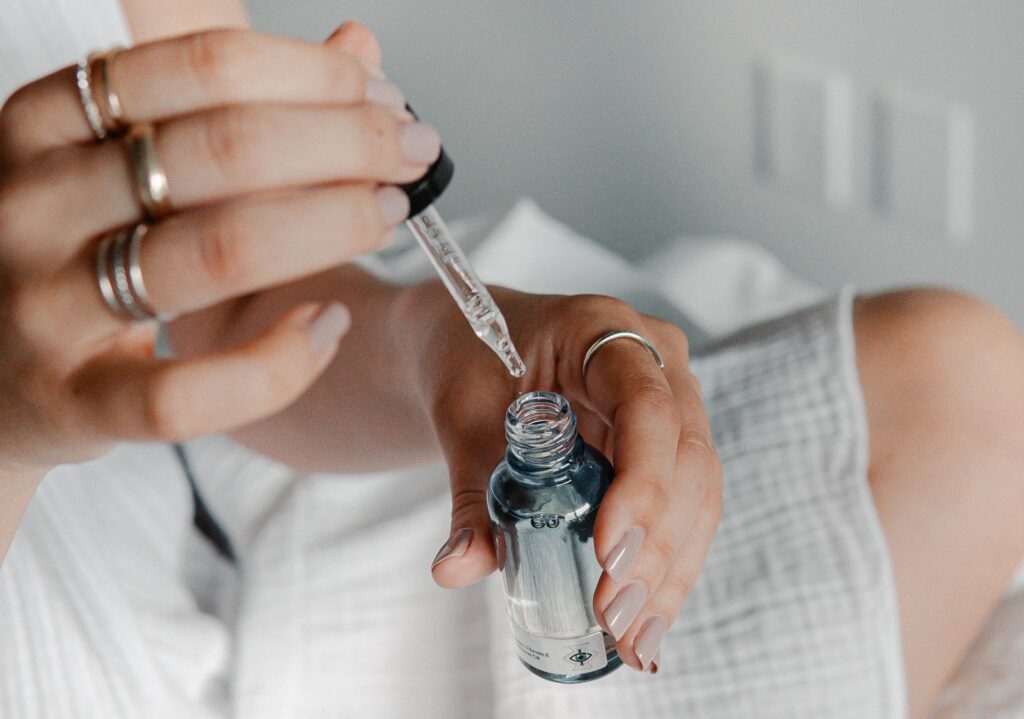
The field of aesthetic medicine has evolved far beyond simple wrinkle filling. Today, injectable treatments fall broadly into two scientifically distinct categories: hyaluronic acid (HA) fillers and collagen-stimulating injectables (biostimulators). While both aim to restore youthful structure and improve skin quality, they work through fundamentally different biological mechanisms. Understanding these differences is essential for clinicians, patients, and anyone interested in skin science.
1. Skin Aging: The Biological Context
Before comparing these injectables, it’s important to understand what happens during aging:
- Collagen loss: Starting in our mid-20s, collagen production declines by ~1% per year.
- Hyaluronic acid depletion: Skin loses its natural HA, leading to reduced hydration.
- Fat redistribution & bone resorption: Structural support diminishes.
- Elastin degradation: Skin becomes less elastic and more prone to sagging.
These processes create two major aesthetic needs:
- Immediate volume replacement
- Long-term structural regeneration
HA fillers primarily address the first. Collagen stimulators target the second.
2. Hyaluronic Acid Fillers: Mechanism & Science
What is Hyaluronic Acid?
Hyaluronic acid is a naturally occurring glycosaminoglycan found in skin, joints, and connective tissue. Its key property:
- Hydrophilic — can bind up to 1000x its weight in water
How HA Fillers Work
When injected into the skin:
- Physical Volume Replacement
- HA gel occupies space immediately
- Lifts wrinkles and restores contours
- Water جذب (Hydration Effect)
- Attracts water → plumps tissue
- Improves skin turgor and elasticity
- Mechanical Stretch → Minor Collagen Stimulation
- Fibroblasts respond to stretching
- Mild increase in collagen production
Chemical Engineering of HA Fillers
Modern HA fillers are cross-linked to increase durability:
- Cross-linking agents (e.g., BDDE) stabilize HA chains
- Determines:
- Viscosity (thickness)
- Elasticity (G’ value)
- Longevity
Key Characteristics
| Feature | HA Fillers |
| Onset | Immediate |
| Duration | 6–18 months |
| Reversibility | Yes (hyaluronidase) |
| Function | Volume + hydration |
| Risk profile | Relatively low |
Examples
- Juvederm
- Restylane
- Teosyal
3. Collagen-Stimulating Injectables: Mechanism & Science
Unlike HA, these injectables do not primarily act as fillers. Instead, they trigger the body’s own regenerative processes.
Types of Biostimulators
1. Calcium Hydroxylapatite (CaHA)
- Example: Radiesse
- Microspheres suspended in gel
2. Poly-L-lactic Acid (PLLA)
- Example: Sculptra
- Synthetic biodegradable polymer
3. Polycaprolactone (PCL)
- Example: Ellansé
- Long-lasting biostimulator
How Collagen Stimulators Work
Phase 1: Initial Volume (Minimal or Temporary)
- Carrier gel provides slight immediate fullness
Phase 2: Biological Response
- Foreign Body Response (Controlled)
- Body recognizes particles as foreign but safe
- Triggers mild inflammation
- Fibroblast Activation
- Fibroblasts migrate to the injection site
- Begin producing new collagen (Type I and III)
- Neocollagenesis
- Gradual deposition of collagen matrix
- Improves:
- Skin thickness
- Elasticity
- Structural integrity
- Biodegradation
- Injected material slowly dissolves
- Leaves behind newly formed collagen
Timeline of Effects
| Stage | Timeframe |
| Initial swelling | Days |
| Collagen stimulation begins | 2–6 weeks |
| Visible improvement | 2–3 months |
| Peak effect | 3–6 months |
| Longevity | 1–3+ years |
Key Characteristics
| Feature | Collagen Stimulators |
| Onset | Delayed |
| Duration | Long-lasting |
| Reversibility | No |
| Function | Regeneration |
| Risk profile | Technique-dependent |
4. Scientific Comparison: HA vs Biostimulators
1. Mechanism of Action
| Aspect | HA Fillers | Collagen Stimulators |
| Primary action | Space-filling | Fibroblast activation |
| Biological impact | Minimal | Significant tissue remodeling |
| Hydration | High | Minimal |
2. Structural vs Functional Rejuvenation
- HA fillers:
- Restore shape
- Ideal for lips, cheeks, under eyes
- Biostimulators:
- Improve skin quality
- Best for:
- Jawline
- Temples
- Skin laxity
- Body areas (e.g., buttocks, arms)
3. Longevity and Degradation
- HA is broken down by:
- Hyaluronidase enzymes
- Free radicals
- Biostimulators:
- Degrade slowly via hydrolysis
- Leave behind new collagen matrix
4. Histological Changes
HA Fillers:
- Gel presence in extracellular matrix
- Mild fibroblast stimulation
- Increased hydration
Collagen Stimulators:
- Increased collagen fibers
- Thickened dermis
- Improved vascularization (in some cases)
5. Clinical Applications
When to Use HA Fillers
- Immediate correction needed
- Fine lines & wrinkles
- Lip augmentation
- Tear troughs
- Facial contouring
When to Use Biostimulators
- Skin laxity
- Volume loss due to aging
- Collagen depletion
- Preventative anti-aging (early intervention)
6. Safety & Complications
HA Fillers
Pros:
- Reversible with hyaluronidase
- Predictable outcomes
Risks:
- Vascular occlusion (rare but serious)
- Swelling, bruising
Collagen Stimulators
Pros:
- Long-lasting
- Natural-looking results
Risks:
- Nodules if improperly injected
- Delayed onset (patient dissatisfaction if expectations not managed)
- Irreversibility
7. Emerging Trends in Aesthetic Science
Modern practice is shifting toward combination therapy:
- HA for structure and precision
- Biostimulators for global rejuvenation
This approach aligns with the concept of:
“Restore, regenerate, and maintain”
8. The Future: Regenerative Aesthetics
The next frontier combines:
- Biostimulators
- PRP (Platelet-Rich Plasma)
- Exosomes
- Stem-cell signaling
The goal is no longer just to fill, but to rebuild skin biology.
Avail Advanced Aesthetic Treatments at Galiderm
At Galiderm, we combine cutting-edge science with expert clinical practice to deliver personalized injectable treatments. Whether you’re seeking immediate volume restoration with hyaluronic acid fillers or long-term skin regeneration through collagen-stimulating injectables, our specialists tailor every procedure to your unique facial anatomy and aesthetic goals.
Conclusion
Hyaluronic acid fillers and collagen-stimulating injectables represent two distinct philosophies in aesthetic medicine:
- HA fillers = Immediate, controllable, reversible enhancement
- Biostimulators = Gradual, biological, long-term regeneration
Rather than competing, they are complementary tools. The most advanced outcomes come from understanding their science and applying them strategically based on patient anatomy, aging pattern, and treatment goals.