Collagen and elastin are essential proteins that keep your skin firm, smooth, and youthful. As you age — especially after your mid‑20s — your body’s ability to produce collagen and elastin naturally starts to decline. This leads to fine lines, wrinkles, and loss of elasticity that many in West Palm Beach or Royal Palm Beach may notice in their skin and overall appearance. Understanding why these proteins decline and how you can support them naturally can help you maintain healthier, vibrant skin longer.
What Happens to Collagen & Elastin as You Age
Maintaining healthy collagen and elastin doesn’t require expensive procedures. Here are science‑backed natural strategies you can incorporate into your lifestyle:
1. Eat a Collagen‑Supporting Diet
A nutrient‑rich diet fuels your skin from the inside out:
- Vitamin C: Essential for collagen synthesis. Found in citrus fruits and berries.
- Protein Sources: Eggs, fish, beans, and poultry supply amino acids needed to make collagen.
- Antioxidants: Leafy greens and colorful produce help fight free radicals that break down skin proteins.
Tip: Hydration is key — skin cells need water to maintain elasticity and support collagen function.
2. Protect Against UV Damage
Ultraviolet (UV) rays accelerate the breakdown of collagen and elastin. Choose a broad‑spectrum SPF, wear wide‑brimmed hats, and seek shade when outdoors to minimize damage.
3. Use Targeted Skincare Ingredients
Certain topical ingredients can support skin structure:
- Vitamin C serums help stimulate collagen production and protect against oxidative stress.
- Retinoids help improve skin texture and support dermal remodeling.
- Peptides signal the skin to build more structural proteins.
Note: While collagen molecules are large and don’t penetrate deeply, ingredients that stimulate your skin’s own collagen production are effective.
4. Healthy Lifestyle Habits
- Quit smoking: Smoking produces free radicals that break down collagen and elastin.
- Manage stress & sleep: Restorative sleep helps repair skin cells.
- Regular exercise: Increases circulation and delivers nutrients to skin tissues.
Hydration and Skin Elasticity
Collagen: The Structural Protein
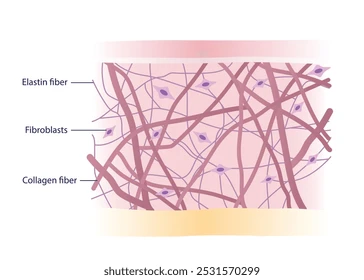
Collagen gives your skin its strength and firmness. As you age, your body produces less collagen, and existing fibers begin to break down. This results in thinning skin and the formation of deeper lines and wrinkles over time.
Elastin: The Bounce‑Back Fiber
Elastin allows your skin to stretch and return to shape. Unlike collagen, elastin production slows even more dramatically with age — meaning your skin becomes less elastic and more prone to sagging.
Natural Ways to Support Collagen & Elastin
Water is vital for maintaining skin elasticity. Dehydrated skin looks dull and accelerates wrinkle formation. Drink at least 8 glasses of water daily and use moisturizers that lock in hydration.
The Role of Hormones in Collagen Loss
Hormonal changes, especially during menopause, can significantly reduce collagen production. Maintaining hormone balance through a healthy lifestyle and consulting with a healthcare provider can help slow down collagen decline.
Sleep and Skin Repair
During deep sleep, the body produces growth hormones that repair skin and stimulate collagen synthesis. Prioritize 7–9 hours of quality sleep each night to help your skin regenerate naturally.
Avoiding Environmental Stressors
Pollution, smoking, and excessive sun exposure accelerate elastin and collagen breakdown. Limiting exposure, wearing protective clothing, and maintaining a proper skincare routine can preserve your skin’s youthful structure.
Professional Support at GaliDerm Aesthetics
For those looking for expert care, GaliDerm Aesthetics in West Palm Beach and Royal Palm Beach offers advanced treatments that stimulate collagen and elastin naturally, including:
- Microneedling with RF (Morpheus8): Lifts, tightens, and renews skin from within.
- Chemical Peels: Promote collagen production and refresh skin texture.
- PRF Therapy: Uses your body’s growth factors to enhance skin repair.
Book a consultation at GaliDerm Aesthetics today to discover personalized treatments for healthier, youthful skin.

Frequently Asked Questions
- At what age does collagen production decline?
Collagen production starts to slow in your mid‑20s and decreases more noticeably after age 40, leading to signs of aging like wrinkles and sagging. - Can elastin levels be increased naturally?
Elastin can’t be dramatically increased after adolescence, but protecting existing elastin and supporting collagen helps improve overall skin elasticity. - What foods help boost skin’s collagen?
Vitamin C‑rich fruits, antioxidant‑packed vegetables, lean protein, and omega‑rich fish can support collagen production. - Does sunscreen protect collagen?
Yes — broad‑spectrum sunscreen shields your skin from UV damage, one of the biggest causes of collagen and elastin breakdown. - Are collagen supplements effective?
Some studies suggest hydrolyzed collagen may improve skin elasticity, but results vary. Consult a healthcare provider before starting supplements.
Conclusion
Maintaining healthy collagen and elastin is key to keeping your skin firm, smooth, and youthful as you age. While natural decline is inevitable, you can slow the process by eating a collagen-supporting diet, protecting your skin from UV damage, using targeted skincare ingredients, staying hydrated, and following healthy lifestyle habits. For those looking for professional support, GaliDerm Aesthetics in West and Royal Palm Beach offers advanced treatments that stimulate collagen and improve elastin, helping your skin look revitalized and radiant.
Take control of your skin health today — combine natural care with expert guidance to maintain a youthful, vibrant appearance for years to come!

Cigdem Gali, MSPA, PA-C
As one of the founders GaliDerm Aesthetics, Cigdem Gali is committed to enhancing natural appearances through aesthetic services. She is an NCCPA board-certified PA with her Masters in Medical Science, and a Master Injector specializing in Women’s Health, Aesthetics, Medical Weight Loss, and Procedural Medicine. Cigdem has a wide range of licenses and certifications, including Allergan Master Injector, Medical Weight Loss Certified, and more! Renowned for her expertise in aesthetic injections, she has trained under celebrity Master Injectors and expert Plastic Surgeons, developing a proprietary protocol for administering cosmetic injectables with precision and artistry. Cigdem is also the founder of Elite Medical Aesthetic Academy, a top aesthetic medicine training academy in Florida.
- Cigdem Gali, MSPA, PA-C
- Cigdem Gali, MSPA, PA-C
- Cigdem Gali, MSPA, PA-C
- Cigdem Gali, MSPA, PA-C
- Cigdem Gali, MSPA, PA-C
- Cigdem Gali, MSPA, PA-C
- Cigdem Gali, MSPA, PA-C
- Cigdem Gali, MSPA, PA-C
- Cigdem Gali, MSPA, PA-C
- Cigdem Gali, MSPA, PA-C
- Cigdem Gali, MSPA, PA-C
- Cigdem Gali, MSPA, PA-C
- Cigdem Gali, MSPA, PA-C
- Cigdem Gali, MSPA, PA-C
- Cigdem Gali, MSPA, PA-C
- Cigdem Gali, MSPA, PA-C
- Cigdem Gali, MSPA, PA-C
- Cigdem Gali, MSPA, PA-C
- Cigdem Gali, MSPA, PA-C
- Cigdem Gali, MSPA, PA-C
- Cigdem Gali, MSPA, PA-C
- Cigdem Gali, MSPA, PA-C
- Cigdem Gali, MSPA, PA-C
- Cigdem Gali, MSPA, PA-C
- Cigdem Gali, MSPA, PA-C
- Cigdem Gali, MSPA, PA-C
- Cigdem Gali, MSPA, PA-C
- Cigdem Gali, MSPA, PA-C
- Cigdem Gali, MSPA, PA-C
- Cigdem Gali, MSPA, PA-C
- Cigdem Gali, MSPA, PA-C
- Cigdem Gali, MSPA, PA-C
- Cigdem Gali, MSPA, PA-C
- Cigdem Gali, MSPA, PA-C
- Cigdem Gali, MSPA, PA-C
- Cigdem Gali, MSPA, PA-C
- Cigdem Gali, MSPA, PA-C
- Cigdem Gali, MSPA, PA-C
- Cigdem Gali, MSPA, PA-C
- Cigdem Gali, MSPA, PA-C
- Cigdem Gali, MSPA, PA-C
- Cigdem Gali, MSPA, PA-C
- Cigdem Gali, MSPA, PA-C
- Cigdem Gali, MSPA, PA-C
- Cigdem Gali, MSPA, PA-C
- Cigdem Gali, MSPA, PA-C
- Cigdem Gali, MSPA, PA-C
- Cigdem Gali, MSPA, PA-C
- Cigdem Gali, MSPA, PA-C
- Cigdem Gali, MSPA, PA-C
- Cigdem Gali, MSPA, PA-C
- Cigdem Gali, MSPA, PA-C